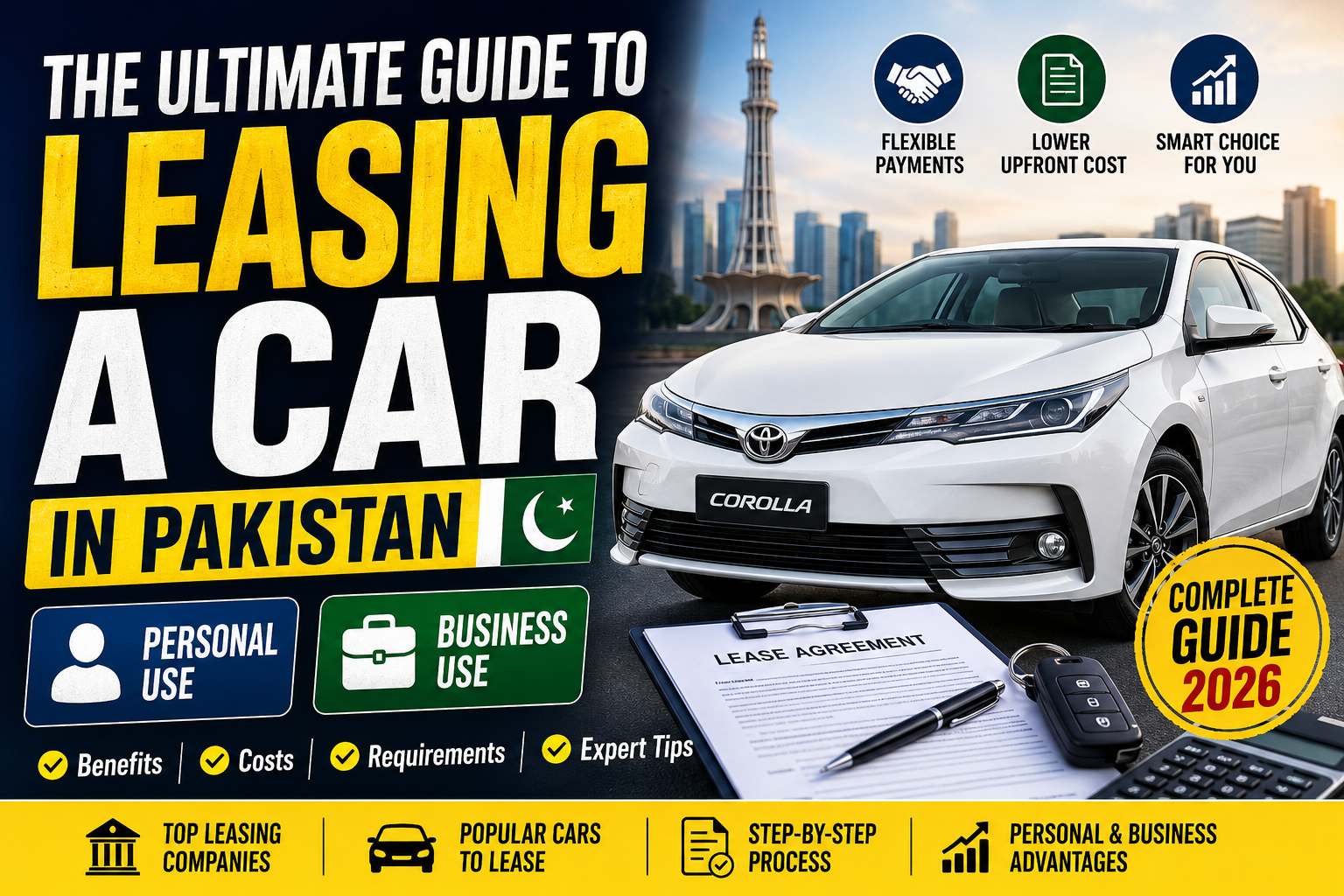
I still remember sitting in a Toyota showroom a few years ago, staring at the latest Corolla and doing mental math that simply wasn’t working.
The car looked perfect. The price tag didn’t.
Like many Pakistanis, I had spent months saving money, hoping I could upgrade my old vehicle. But every time I checked the market, prices seemed to climb even higher. At one point, I honestly thought I’d have to postpone the purchase for another year or two.
That’s when a friend suggested looking into Car Leasing in Pakistan.
At first, I wasn’t convinced. Leasing sounded complicated. I assumed it was only for large companies with corporate fleets and fancy accounting departments.
I was wrong.
After researching different banks, comparing monthly payments, speaking with business owners, and reviewing lease agreements, I realized that leasing can be a practical option for both individuals and businesses—if you understand how it works.
This guide shares everything I’ve learned along the way, including the mistakes people commonly make and the things I wish someone had explained to me earlier.
What Is Car Leasing in Pakistan?
Car leasing is an arrangement where a bank or financial institution purchases a vehicle on your behalf and allows you to use it while making monthly payments over an agreed period.
Instead of paying the full cost upfront, you spread the expense across several years.
In Pakistan, most lease agreements range from 3 to 7 years depending on the vehicle, financing company, and applicant profile.
The concept is simple:
- You choose a vehicle.
- The leasing company purchases it.
- You pay a down payment.
- You make monthly installments.
- The vehicle ownership is transferred according to the lease agreement terms.
That’s the basic idea, although the details can vary from one institution to another.
Why Car Leasing in Pakistan Has Become More Popular
If you’ve been following Pakistan’s automobile market, you’ve probably noticed how quickly vehicle prices have increased.
A few years ago, many middle-income families could buy a decent car with savings. Today, that same vehicle may cost significantly more.
This is one reason leasing has gained popularity.
Instead of waiting years to save the full amount, people can start using a vehicle immediately while managing payments over time.
Business owners have also embraced leasing because preserving cash flow often makes more sense than spending millions of rupees on vehicle purchases.
Personal Car Leasing in Pakistan: Who Should Consider It?
Not everyone needs a lease.
Some people have enough savings to buy a vehicle outright, and that’s perfectly fine.
But leasing may be worth considering if:
- You want to keep your savings intact.
- You need a vehicle urgently.
- You prefer predictable monthly payments.
- You don’t want to wait years before upgrading your car.
- You want to maintain emergency funds.
I know several salaried professionals who chose leasing because they didn’t want every rupee tied up in a car purchase.
Having cash available for emergencies often provides more peace of mind than owning a vehicle outright.
Benefits of Personal Leasing
- Lower initial financial pressure
- Access to newer vehicles
- Better cash flow management
- Structured repayment plans
- Flexible financing options
Potential Downsides
- Monthly payment obligations
- Insurance requirements
- Late payment penalties
- Total financing costs can be higher
Business Car Leasing in Pakistan
This is where leasing becomes especially attractive.
Businesses often need vehicles to generate revenue. Delivery companies need vans. Real estate firms need sales vehicles. Construction companies require transportation for staff and equipment.
Buying multiple vehicles outright can place enormous pressure on working capital.
Leasing solves that problem.
Rather than spending millions upfront, businesses can allocate funds toward growth, marketing, inventory, staffing, or operations.
Business Benefits of Vehicle Leasing
- Preserves company cash flow
- Supports fleet expansion
- Makes budgeting easier
- Provides access to newer vehicles
- Reduces large upfront capital expenditures
Several small business owners I’ve spoken with view leasing as a financial management tool rather than simply a way to acquire vehicles.
Car Leasing vs Buying in Pakistan
This question comes up constantly.
Should you lease or buy?
The answer depends on your situation.
Buying May Be Better If:
- You have substantial savings available.
- You dislike long-term financial commitments.
- You plan to keep the vehicle for many years.
- You want immediate ownership.
Leasing May Be Better If:
- You want to preserve cash.
- You operate a business.
- You need financial flexibility.
- You prefer spreading costs over time.
- You want to avoid a massive upfront payment.
One mistake people make is focusing only on monthly installments.
Always calculate the total cost over the entire lease period.
Popular Vehicles Commonly Leased in Pakistan
Some vehicles are more commonly leased because they offer strong resale value and reliable performance.
- Toyota Corolla
- Toyota Yaris
- Honda City
- Honda Civic
- Suzuki Swift
- KIA Sportage
- Hyundai Tucson
- Changan Alsvin
- MG HS
These vehicles frequently appear in leasing portfolios because demand remains relatively strong in the local market.
Image Suggestion: Popular leased vehicles parked side by side.
ALT Text: Popular vehicles for Car Leasing in Pakistan.
Step-by-Step Guide to Getting a Car Lease in Pakistan
Step 1: Evaluate Your Budget
Before visiting any bank, calculate what monthly payment you can comfortably afford.
Be realistic.
Remember to include:
- Fuel expenses
- Insurance costs
- Maintenance
- Registration fees
- Unexpected repairs
Step 2: Compare Multiple Leasing Providers
Never accept the first offer you receive.
Compare rates, down payment requirements, processing fees, and repayment terms.
Step 3: Prepare Required Documents
Most institutions require:
- CNIC copy
- Proof of income
- Bank statements
- Utility bills
- Photographs
- Employment certificate or business documents
Step 4: Select the Right Vehicle
Choose a vehicle based on your actual needs, not emotions.
Trust me, this is harder than it sounds.
That shiny SUV may look amazing, but if your monthly budget is already stretched, it can become a burden quickly.
Step 5: Review the Lease Agreement Carefully
Read every section.
Yes, every section.
Pay attention to:
- Interest rates
- Processing charges
- Insurance requirements
- Late payment penalties
- Early settlement terms
Useful Resources Before Leasing a Vehicle
I always recommend spending time researching market prices before signing anything.
Helpful resources include:
- PakWheels vehicle listings
- Manufacturer websites
- Bank financing calculators
- Owner review forums
For industry information, you can also review data from the Pakistan Automotive Manufacturers Association.
Outbound Authority Link Placeholder: Pakistan Automotive Manufacturers Association (PAMA)
Internal Link Opportunity: Best Family Cars in Pakistan
Internal Link Opportunity: Car Financing vs Leasing in Pakistan
Internal Link Opportunity: How to Calculate Car Ownership Costs
Common Mistakes to Avoid
Ignoring Total Cost
Many people compare only monthly installments.
The smarter approach is comparing total repayment costs.
Choosing the Most Expensive Vehicle You Qualify For
Just because a bank approves a higher amount doesn’t mean you should use it.
Leave room in your budget.
Skipping Insurance Research
Insurance can significantly affect ownership costs.
Always request a complete breakdown before signing.
Rushing the Decision
Good financial decisions usually require patience.
Take a few extra days to compare options.
Practical Tips From Real Experience
- Always keep an emergency fund separate from your down payment.
- Get quotes from at least three institutions.
- Choose vehicles with strong resale value.
- Avoid stretching your budget to impress others.
- Read customer reviews before selecting a leasing provider.
- Review every fee before signing documents.
One lesson I’ve learned repeatedly is that financial flexibility matters more than appearances.
A manageable payment plan will always feel better than driving a vehicle that’s causing stress every month.
Frequently Asked Questions About Car Leasing in Pakistan
Can salaried individuals apply for car leasing in Pakistan?
Yes. Most banks and financial institutions offer leasing programs for salaried individuals who meet income requirements.
Is leasing better than buying a car?
It depends on your financial goals. Leasing helps preserve cash flow, while buying provides direct ownership.
How much down payment is usually required?
The amount varies based on the institution, vehicle, and financing terms.
Can businesses lease multiple vehicles?
Yes. Many businesses lease entire fleets to support operations.
What happens if I miss a payment?
Late fees may apply, and repeated missed payments can result in recovery action according to the lease agreement.
Can I settle a lease early?
Some providers allow early settlement, although additional charges or conditions may apply.
Final Thoughts
Car Leasing in Pakistan isn’t the right solution for everyone, but it’s far more practical than many people realize.
For some families, it provides access to reliable transportation without draining savings. For businesses, it can preserve valuable working capital and support growth.
The key is understanding the numbers, comparing offers carefully, and choosing a vehicle that genuinely fits your financial situation.
A little research upfront can save you a lot of money—and a lot of stress—later.